
As of 2026, Georgia allows Korean travelers to stay visa-free for up to one full year. This remarkably open entry policy is a cornerstone of Georgia’s tourism strategy, and the same benefit applies to Japanese, Singaporean, and most EU passport holders. This guide consolidates visa-free conditions, stay extensions, what to prepare at the border, and the practical edge cases every traveler should know.
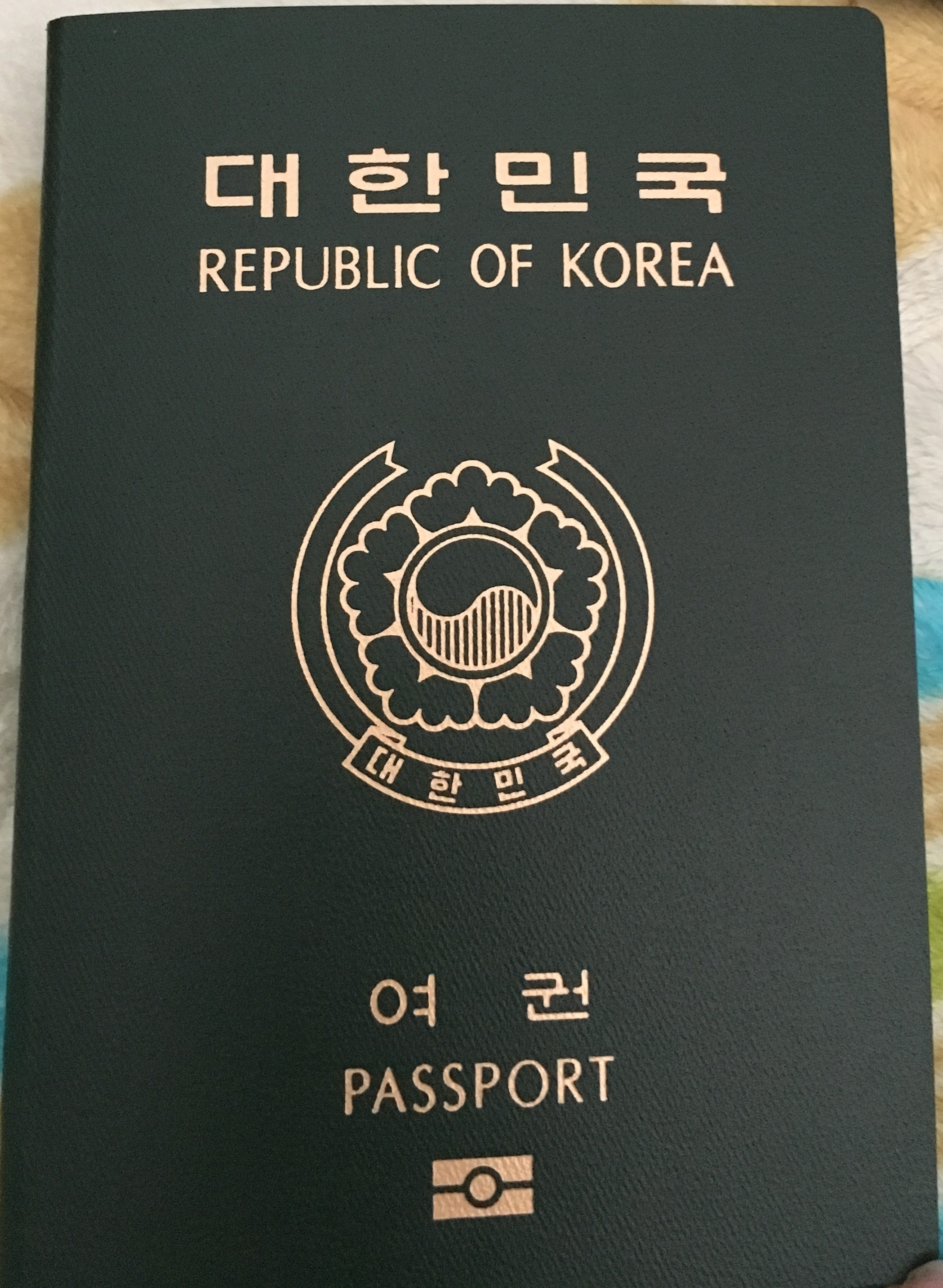
1. Visa-Free Entry Requirements
Since Georgia unilaterally introduced visa-free travel in 2014, the country has steadily expanded the list of eligible nations. As of June 2026, citizens of 95+ countries — including South Korea (KOR), Japan (JPN), Singapore (SGP), and most EU member states — can enter Georgia without a visa (Source: georgia.travel official guidance, June 2026). Korean passport holders may stay for up to 365 consecutive days with no prior application.
The entry requirements are intentionally simple. Just two conditions apply:
- Passport validity: at least 6 months remaining at the time of entry.
- Proof of onward/return travel: a return ticket is recommended, though border officers rarely refuse entry if you can verbally explain your itinerary.
No separate visa sticker is issued; border control simply stamps your passport. There is no registration or arrival card to fill out.
2. e-Visa for Non-Eligible Nationalities
Citizens of roughly 90 countries — including China, India, and Egypt — are not covered by the visa-free regime. For them, Georgia has operated an e-Visa system since 2018. Applications are submitted through the official portal evisa.gov.ge and cover short-term travel (B1/B2) and transit categories (Source: Ministry of Foreign Affairs overseas safety portal — Georgia).
- Fee: USD 50 for short stays (about KRW 65,000 at USD/KRW 1,300).
- Processing time: 5–10 working days, typically issued within 7 days.
- Stay length: applicants may choose between a 90-day or 180-day permit at submission.
The e-Visa comes in single-entry and multiple-entry (1-year) variants. Travelers present either a printed PDF or the mobile screenshot at the border. If you don’t have printer access on the road, save the PDF to your phone before departure.
3. Questions at the Border — What to Expect
Georgian border officers are widely known for being among the friendliest in the region. Korean travelers can typically expect three short questions at the Tbilisi International Airport desk (verified June 2026):
- “What is the purpose of your visit?” — Tourism, visiting friends, or business is sufficient.
- “How long will you stay?” — Just state the number of nights on your itinerary.
- “Where will you stay?” — Mention your first hotel or guesthouse.
Refusals are rare. If an officer does ask follow-up questions, stay calm and respond in English or Russian. Most younger officers speak English; Russian is widely understood but not required. There is no Korean-language signage, so memorizing two or three short English sentences ahead of time is a sensible precaution.
4. Key Rules During a Year-Long Stay
The 365-day visa-free allowance is generous, but four rules apply:
- 90-day registration for long stays: stays exceeding 90 continuous days trigger a residence registration requirement. Standard tourist itineraries never reach this threshold.
- No local employment: a tourist entry does not authorize work for Georgian employers. Remote work (digital nomad activity) sits in a gray tax area and should be reviewed with a tax professional.
- Lost passport procedure: there is no Korean embassy or consulate in Tbilisi. In an emergency, contact the nearest Korean diplomatic mission (Frankfurt, Germany, or Moscow, Russia) to arrange a temporary travel document.
- No departure tax: Georgia does not levy an exit tax. Only an airport facilities fee of roughly USD 25 is included in international tickets.
5. Frequently Asked Questions
Q. Can I work in Georgia on a visa-free entry?
No. Tourism, family visits, and short business trips are allowed; local employment requires a separate work permit.
Q. Can I extend my stay beyond one year?
An extension is not possible in-country. However, leaving Georgia for at least 24 hours resets the 365-day counter. Some long-stay visitors take short trips across the Turkish or Armenian border to refresh their stay.
Q. Can I switch from visa-free to e-Visa mid-stay?
No. Visa-free and e-Visa are separate tracks; switching categories within Georgia is not permitted.
Q. Do children need separate visas?
Children under 18 entering with parents only need their own passport. Those traveling with one parent, another guardian, or alone must carry a notarized parental consent letter.
Pre-Departure Checklist
| Item | Standard | Notes |
|---|---|---|
| Passport validity | 6+ months at entry | Source: georgia.travel |
| Return ticket | Recommended | Verbal itinerary accepted |
| Maximum stay | 365 days | Korean / Japanese / EU citizens |
| Departure tax | None | Airport fee only |
| Exchange rate | 1 USD ≈ 2.65 GEL | 1 GEL ≈ KRW 570 (Source: Wise, June 2026) |
Georgia is one of the most welcoming destinations on a Korean passport — no paperwork, no appointment, no embassy visit. From the narrow lanes of Tbilisi’s Old Town to the snow-capped peaks of Kazbegi and the medieval cathedrals of Kutaisi, the country is wide open for up to a year. For deeper preparation, consult the Georgian National Tourism Administration and our Three Great Cathedrals guide for the full trip planning workflow.
→ Book your free 1:1 itinerary consultation now
Summary: Why Georgia is the Easiest Border in the Caucasus
To summarize the key takeaways: Korean passport holders enjoy a generous 365-day visa-free allowance, the entry interview is short and friendly, and there are no departure taxes or arrival forms to worry about. Pack light, bring a 6-month-valid passport, save your return ticket to your phone, and you’re set for a year of mountains, wine, and ancient churches.