

Georgia sits wedged between the Caucasus Mountains and the Black Sea, and few countries of its size pack such vivid seasonal contrast. Summer in the glacier-capped Svaneti region and winter along the mild Black Sea coast at Batumi happen inside the same national borders. So when travelers ask, “When is the best time to visit Georgia?” a single answer is impossible — the right month depends on what you came for: wine, hiking, skiing, or history.
This guide breaks Georgia’s travel calendar into five windows — spring, summer, autumn, winter, and shoulder seasons — and covers the weather, festivals, prices, and recommended destinations for each. You can cross-check the seasonal advice with the Lonely Planet Georgia guide and the Georgia National Tourism Administration.
Spring (April–June): Blossoming Vineyards and History Without Crowds
Spring is the most underrated season for visiting Georgia. In early April the average temperature in Tbilisi hovers around 12 degrees Celsius, climbing to 18 by May. The Kakheti wine region, brown and dormant through winter, turns soft green as the vines leaf out, and cherry and plum trees line the country roads. The weather resembles a mild Korean spring, making it ideal for outdoor exploration and walking tours.
Destinations that shine in spring include:
- Mtskheta and Sighnaghi: the ancient capital and the “City of Love.” May weather is perfect for walking Sighnaghi’s restored city walls, and family wineries offer Qvevri wine tastings in their cellars.
- Kazbegi: by late April the trail to the Holy Trinity Church of Gergeti reopens. On clear days Mt. Kazbek (5,047 m) looms behind the church, still draped in permanent snow.
- Borjomi Gorge: May and June are when the pine forests and alpine meadows of Borjomi-Kharagauli National Park are at their lushest. Combine hiking with a taste of the famous Borjomi mineral water at the source.
One caveat: the high mountains. Svaneti and Tusheti, both above 2,000 meters, retain snow well into June. The road to Tusheti typically does not open until early June. If you plan high-altitude trekking in spring, build buffer days into your itinerary.
Budget: Spring is pre-peak, so accommodation runs about 60–70% of summer rates. A mid-range Tbilisi hotel averages 120–180 GEL per night — roughly 69,000–104,000 KRW at the rate of 1 GEL ≈ 577 KRW. Exchange rate as of June 20, 2026, exchangerate-api.com
Summer (July–August): Caucasus Trekking and Black Sea Beaches at Their Peak
Summer is Georgia’s high tourist season. Visitors from Europe, Russia, and Israel flood in, and hotel prices in Tbilisi and Batumi reach their annual peak. But there are places you can only go in summer — and the Caucasus highlands top that list.
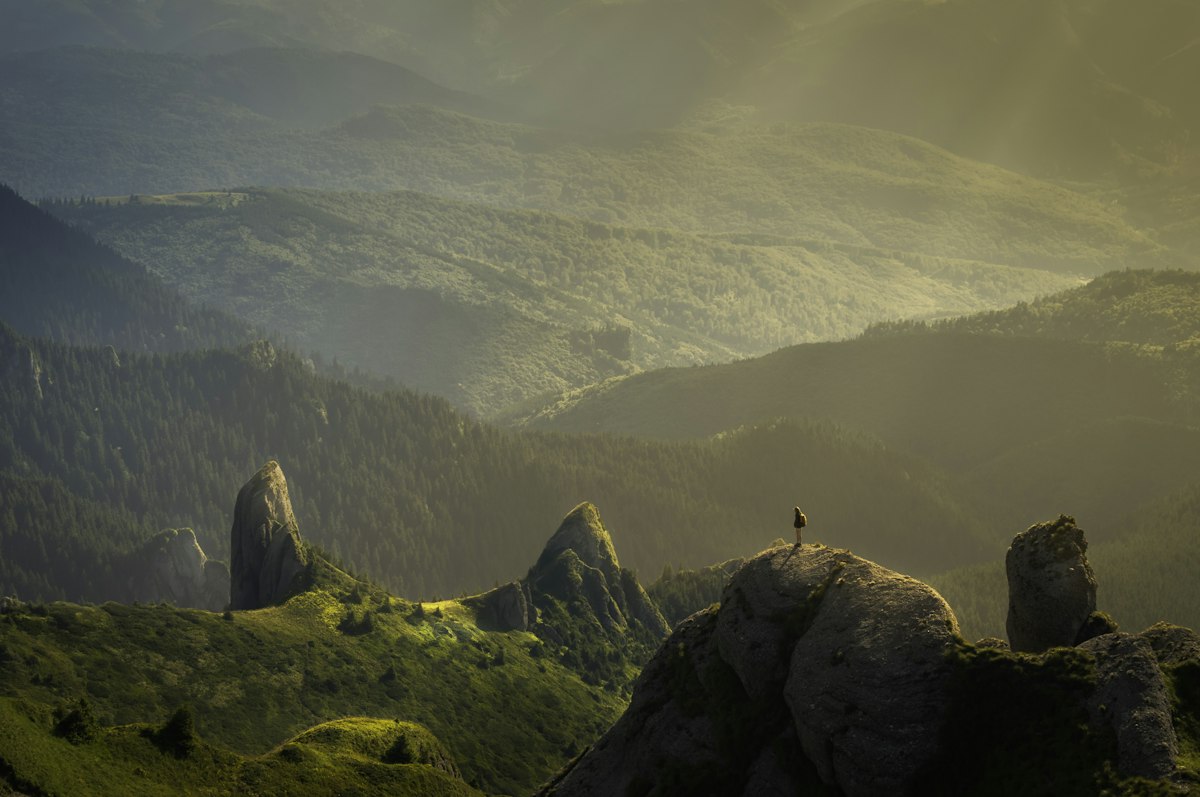
Above 2,000 meters the alpine meadows turn brilliant green, and shepherds move their flocks to summer pastures. The trails of Svaneti, Tusheti, and Khevsureti are fully open only from July through August.
Svaneti: Medieval Tower Villages and Permanent Snow
Mestia and Ushguli, the UNESCO-listed villages of Svaneti, are at their most accessible in summer. Ushguli, at 2,200 meters, is one of the highest permanently inhabited villages in Europe. Rows of medieval defense towers stand against the backdrop of Mt. Shkhara (5,193 m) and its glacier. July–August temperatures average a pleasant 15–20 degrees Celsius.
Batumi: The Black Sea Riviera
The other face of Georgian summer is Batumi. By July the Black Sea water temperature reaches 25 degrees, warm enough for swimming. The neon-lit Batumi Boulevard, Alphabetic Tower, and Botanical Garden cable car are the headline attractions. August can be humid, so for beach-focused trips July is more comfortable.
Note: Summer Tbilisi can hit 35 degrees with heat waves. Plan outdoor sightseeing for early morning or evening, and rest indoors during midday. Popular guesthouses in Svaneti book out 2–3 months ahead, so reserve early.
Budget: Peak-season Tbilisi hotels run 200–350 GEL, while Batumi beachfront properties can reach 250–400 GEL. Svaneti guesthouses typically charge 80–150 GEL per night, often including breakfast and dinner. At 1 GEL ≈ 577 KRW
Autumn (September–October): Harvest Season, a Wine Lover’s Paradise
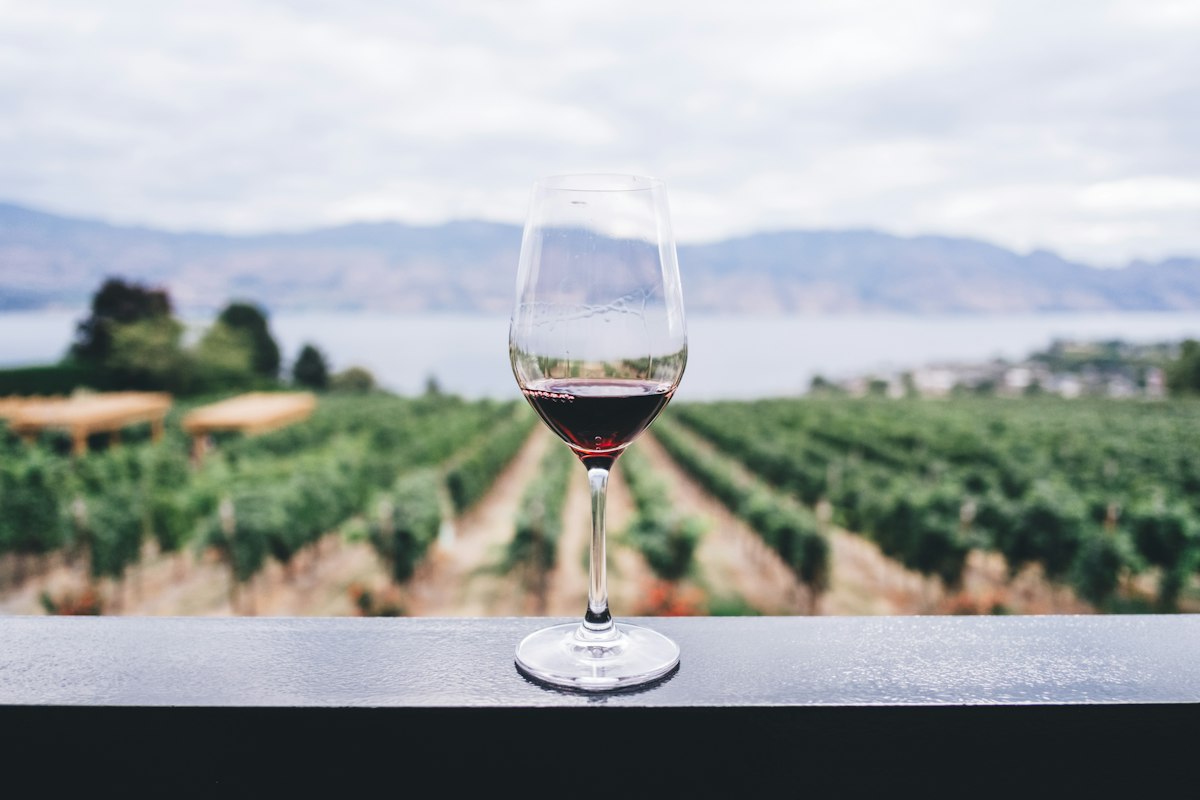
For wine lovers, Georgian autumn is a once-in-a-lifetime season. From mid-September to early October the Kakheti region holds Rtveli, the traditional grape harvest festival. Visitors can pick grapes, press them by foot, and witness the 8,000-year-old Qvevri winemaking process — a method inscribed on the UNESCO Intangible Cultural Heritage list.
Autumn’s appeal is also in the weather and color. September in Tbilisi sits at a stable 20–25 degrees, dropping to around 15 in October. The summer heat dissipates, making sightseeing far more pleasant. Vineyards and forests turn crimson and gold, making this the most photogenic season.
Unmissable Autumn Experiences
- Join Rtveli: Family wineries near Telavi and Sighnaghi run harvest programs. A typical 2-night package includes grape picking, cellar tours, and a traditional feast (Supra).
- Tbilisi wine bar hopping: Old Town wine bars pour dozens of Saperavi and Rkatsiteli wines by the glass. Expect 8–15 GEL per glass.
- Borjomi-Kharagauli National Park: Mid-October, when fall foliage peaks, is the best time for hiking. It is the largest national park in the Caucasus, with nine marked trails.
Budget: Autumn accommodation drops 20–30% from summer. Kakheti winery guesthouses run 100–180 GEL per night, often including wine tasting and meals. Half-day wine tours start at 50–80 GEL per person.
Winter (December–March): Ski Season and Snow-Covered Cathedrals
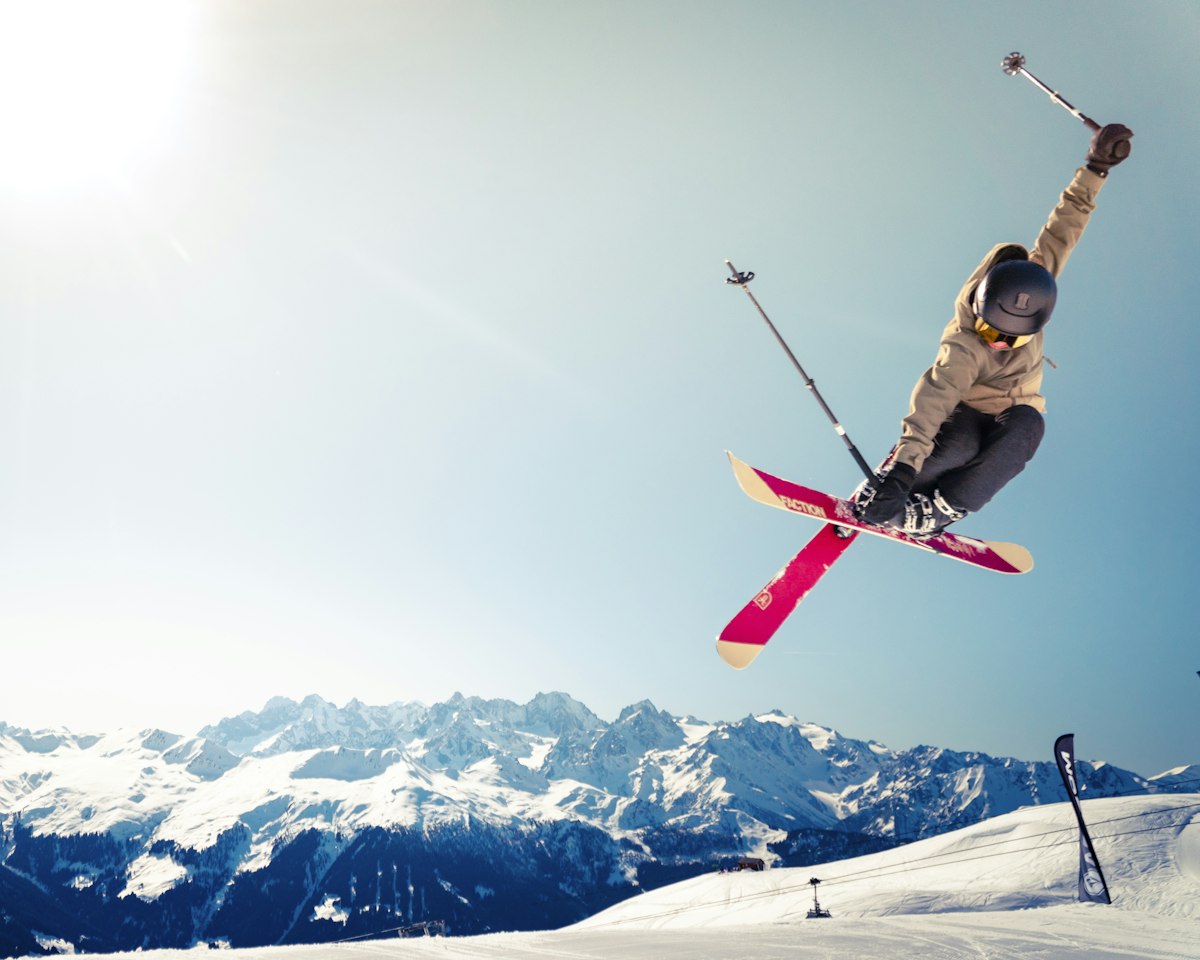
Winter in Georgia splits into two attractions: Caucasus ski season and the atmosphere of ancient cities under snow.
Gudauri and Mestia-Tetnuldi: Caucasus Powder
About 120 kilometers north of Tbilisi along the Georgian Military Highway sits Gudauri, a ski resort at 2,200 meters. It operates from December to April and is famous for the dry, light powder of the Caucasus. A one-day lift pass costs about 120–150 GEL; equipment rental runs 40–60 GEL per day. At 1 GEL ≈ 577 KRW, the lift pass is roughly 69,000–87,000 KRW
Snowy Tbilisi and Kutaisi
Tbilisi sees snow on only 10–15 days a year, but when it falls the 19th-century balconied houses and church domes of the Old Town turn into a fairy-tale scene. January–February averages 2–5 degrees — similar to a Seoul winter but drier and more comfortable. In Kutaisi, the Bagrati Cathedral and Gelati Monastery are especially majestic under snow.
Practical winter travel tips:
- Military Highway closures: The road linking Tbilisi, Gudauri, and Kazbegi is frequently closed during winter snowstorms. Always check road conditions before departing.
- Alilo festival: On January 7 (Georgian Orthodox Christmas) the Alilo procession fills the streets with people in traditional dress — a unique winter cultural experience.
- Sulfur baths: Tbilisi’s Abanotubani bathhouse district is even more popular in winter. Soaking in 40-degree sulfur water makes the cold weather enjoyable. Basic one-hour access costs 50–100 GEL.
Shoulder Seasons and a Month-by-Month Guide

Having covered each season in depth, here is a quick reference matching travel goals to the best months.
| Travel Goal | Best Time | Why |
|---|---|---|
| High-altitude trekking | July–September | Mountain roads open, stable weather |
| Wine & Rtveli experience | September–October | Grape harvest, winemaking participation |
| Skiing & winter sports | December–March | Powder conditions, full resort operation |
| City sightseeing & history | April–June, September–October | Mild weather, fewer tourists |
| Black Sea beach holiday | July–August | Warm water, swimming possible |
| Photography & fall foliage | October | Peak autumn colors |
The Hidden Advantage of Low Season (November, March)
November and March are the quietest months in Georgia — and they are hidden gems. Accommodation hits its annual low (Tbilisi mid-range hotels at 70–120 GEL), and museums and attractions are uncrowded. The weather is variable, but with proper preparation these months offer exceptional value. Note that mountain road closures are frequent and some guesthouses shut down, so confirm availability in advance.
Conclusion: Finding Your Georgia Season
Georgia is a country you cannot fully experience in a single trip. The question “When is the best time to visit?” is better reframed as “What do I most want to do?”
- First visit, general travel: May–June or September–October. Good weather, smaller crowds, reasonable prices.
- Wine and food focus: September–October Rtveli season. Experience the world’s oldest wine culture at the source during harvest.
- Trekking and nature: July–September. The only window when the Caucasus highland trails are fully open.
- Skiing and winter sports: December–March. The powder of Gudauri and Mestia-Tetnuldi awaits.
- Budget priority: November or March. The cheapest time for flights and accommodation.
Georgia offers Korean passport holders visa-free stays of up to one year — one of the most generous policies in the world. Returning across different seasons to slowly savor the many faces of this country is a rewarding strategy. Spring blossoms, summer glaciers, autumn grapes, winter powder — Georgia becomes a different country with each season.
Sources: Georgia National Tourism Administration (visitgeorgia.ge), Lonely Planet Georgia, UNESCO Intangible Cultural Heritage List. Exchange rates as of June 20, 2026, exchangerate-api.com (1 GEL ≈ 577 KRW / 0.37 USD)